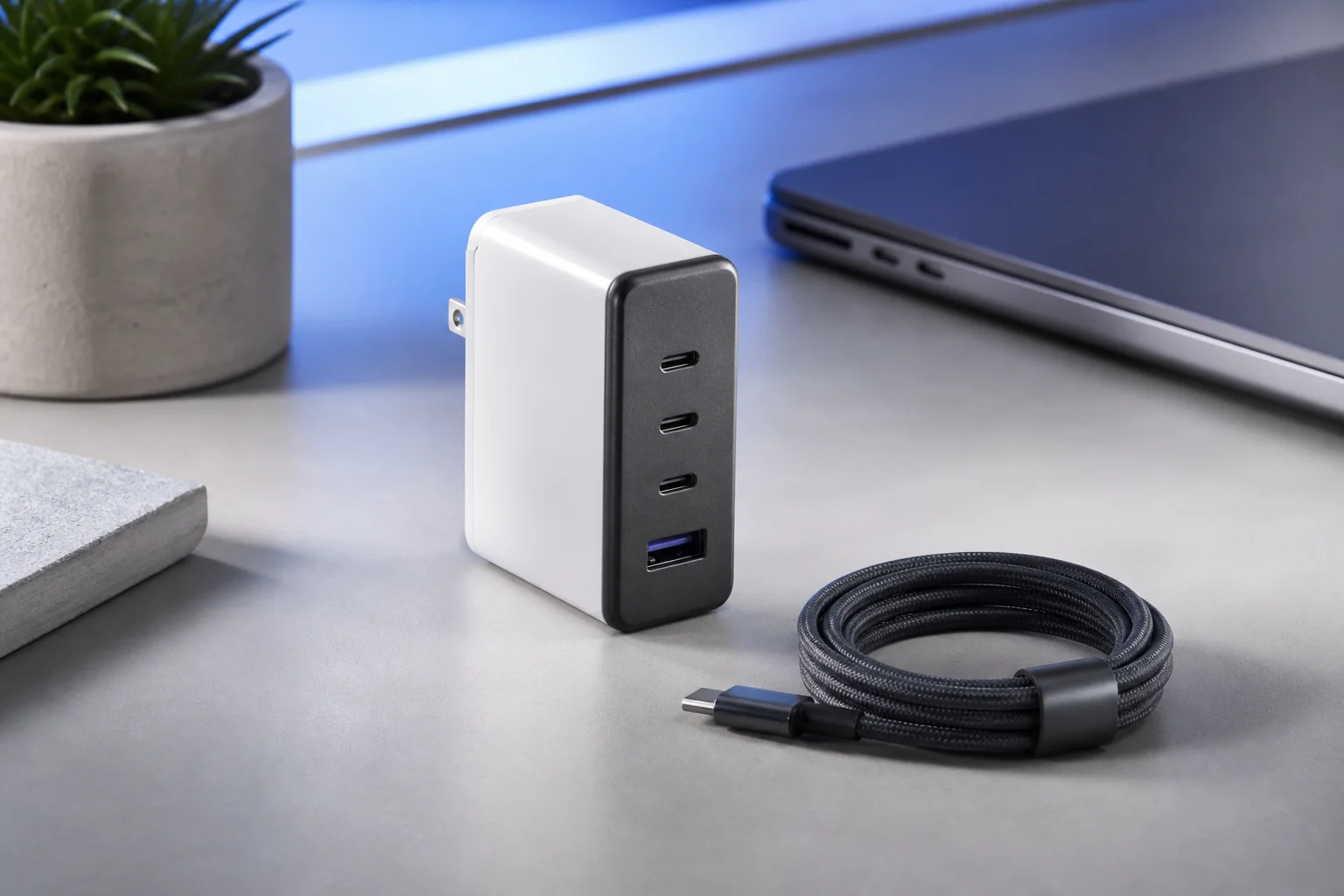
How to Choose the Right GaN Charger
A compact charger is only useful when its ports, power profiles, and cables match the devices you actually carry. This guide explains the labels that matter.
Read guideReview library / six clear decisions
TechWorth Guide publishes research-backed tech reviews for people who want to understand a decision before they open a dozen product tabs. Each guide starts with the situation, identifies the compatibility and maintenance constraints, and shows where a product category trades convenience for cost, size, power, or complexity.
These are editorial research guides, not invented hands-on reports. We use primary documentation, standards, support materials, and transparent reasoning. When a product has not been physically tested by TechWorth Guide, the article does not claim that it has.
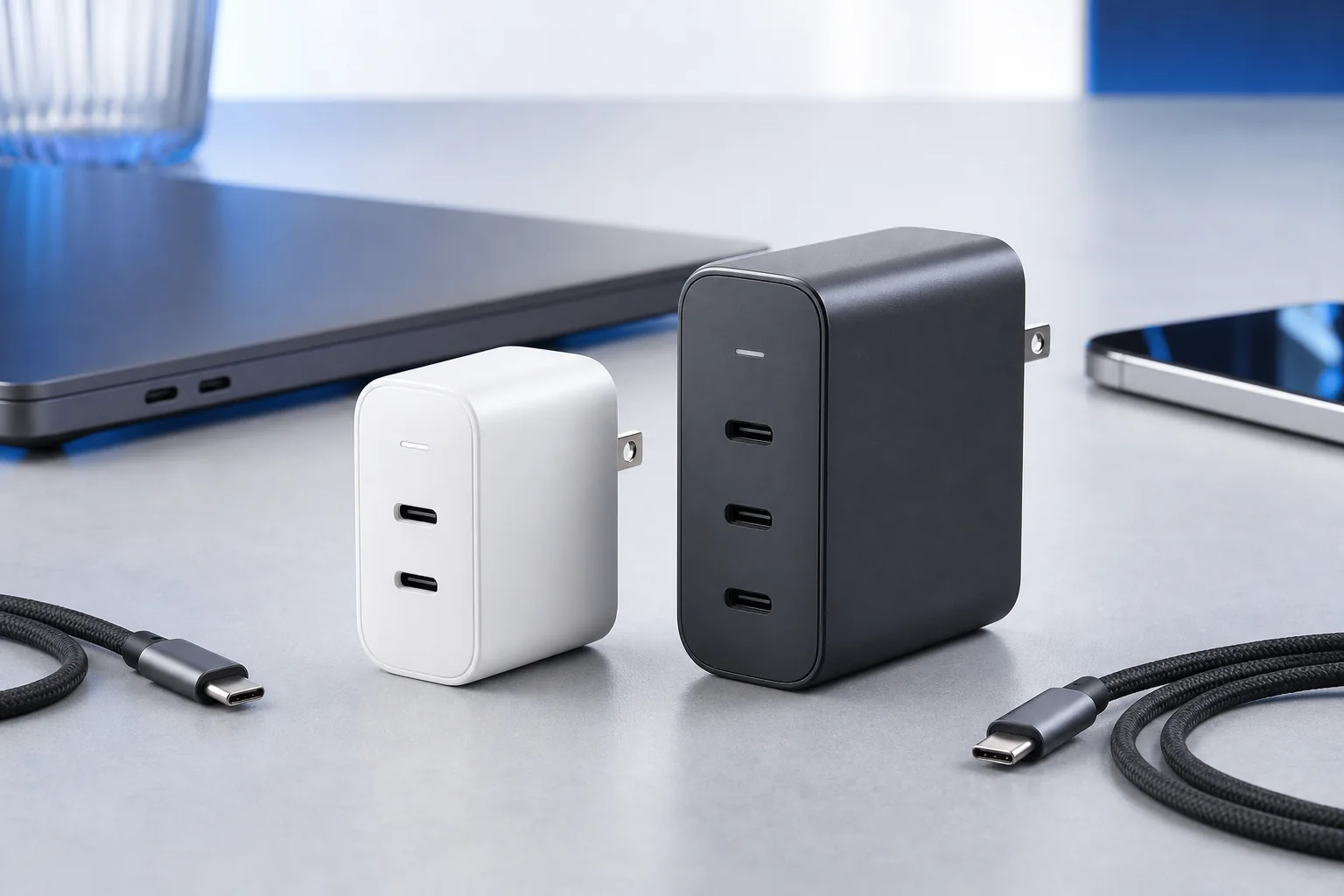
A compact charger is only useful when its ports, power profiles, and cables match the devices you actually carry. This guide explains the labels that matter.
Read guideThe better wattage depends less on the number printed on the box and more on your laptop, simultaneous devices, cables, and travel priorities.
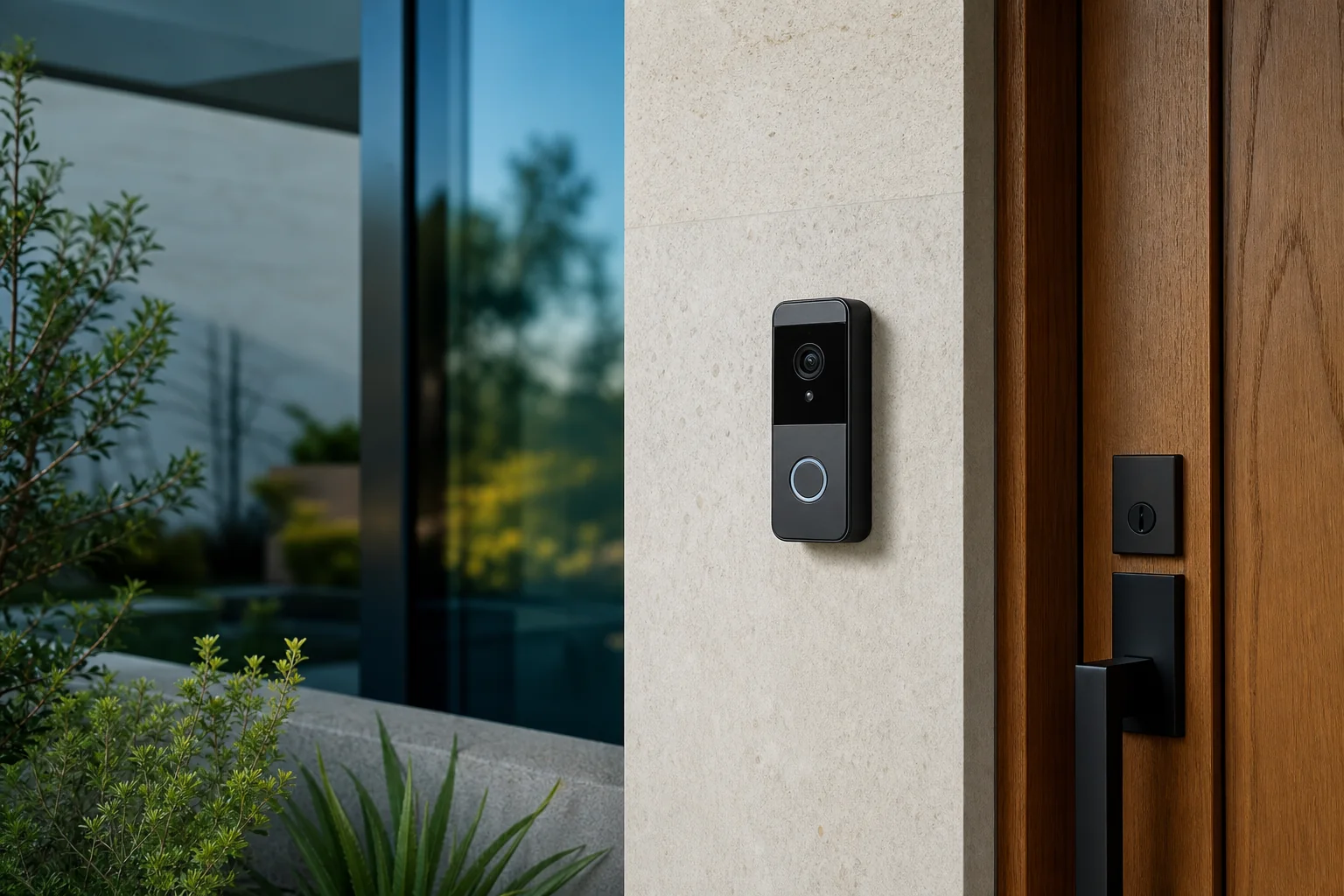
Read guideExisting wiring, rental restrictions, charging tolerance, and entryway conditions usually decide the right doorbell before camera specifications do.
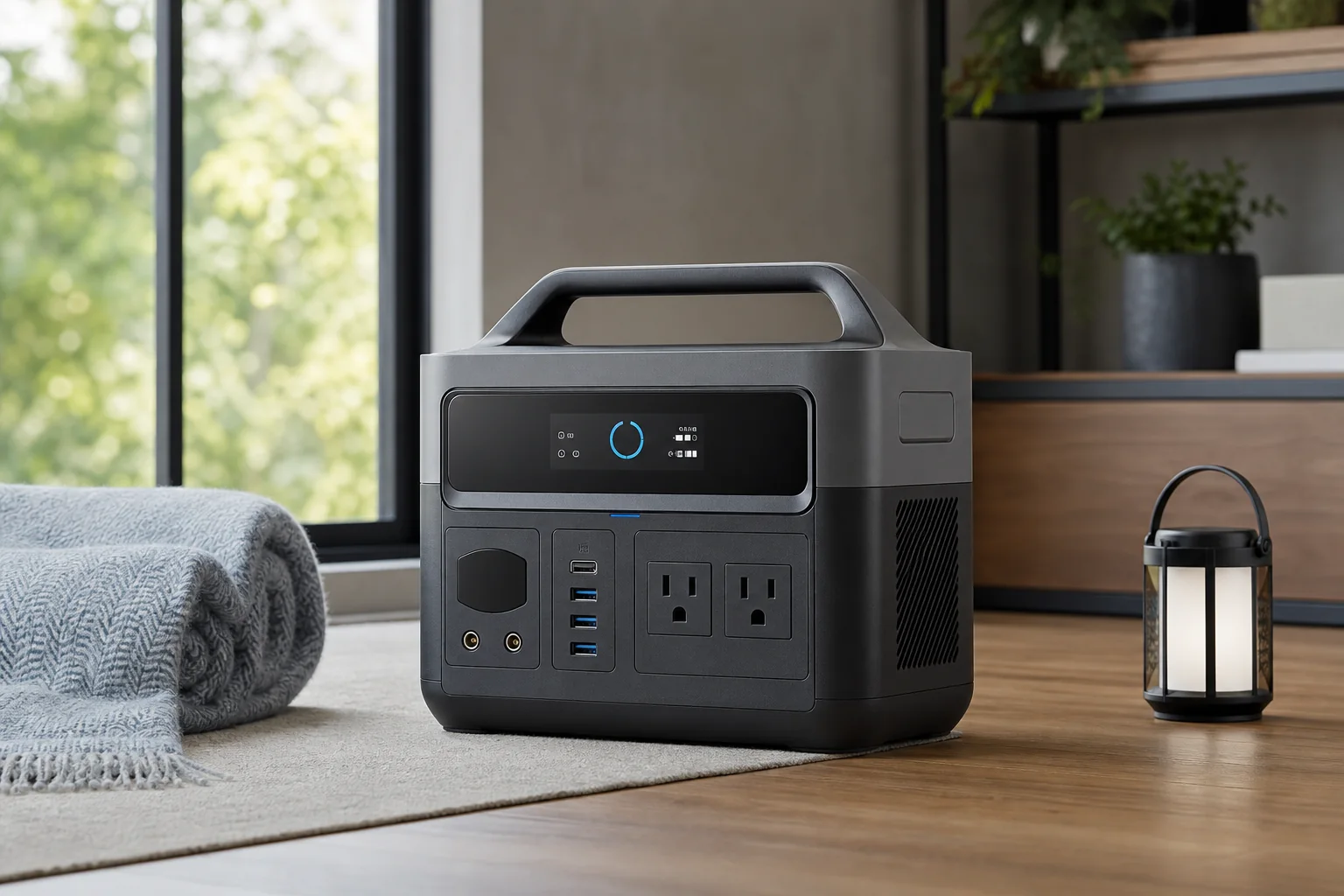
Read guideA useful capacity estimate comes from watts, hours, and realistic conversion losses—not from choosing the largest battery that fits the budget.
Read guideThe better design depends on fit, carrying tolerance, call needs, climate, and how long you listen—not on noise cancellation alone.
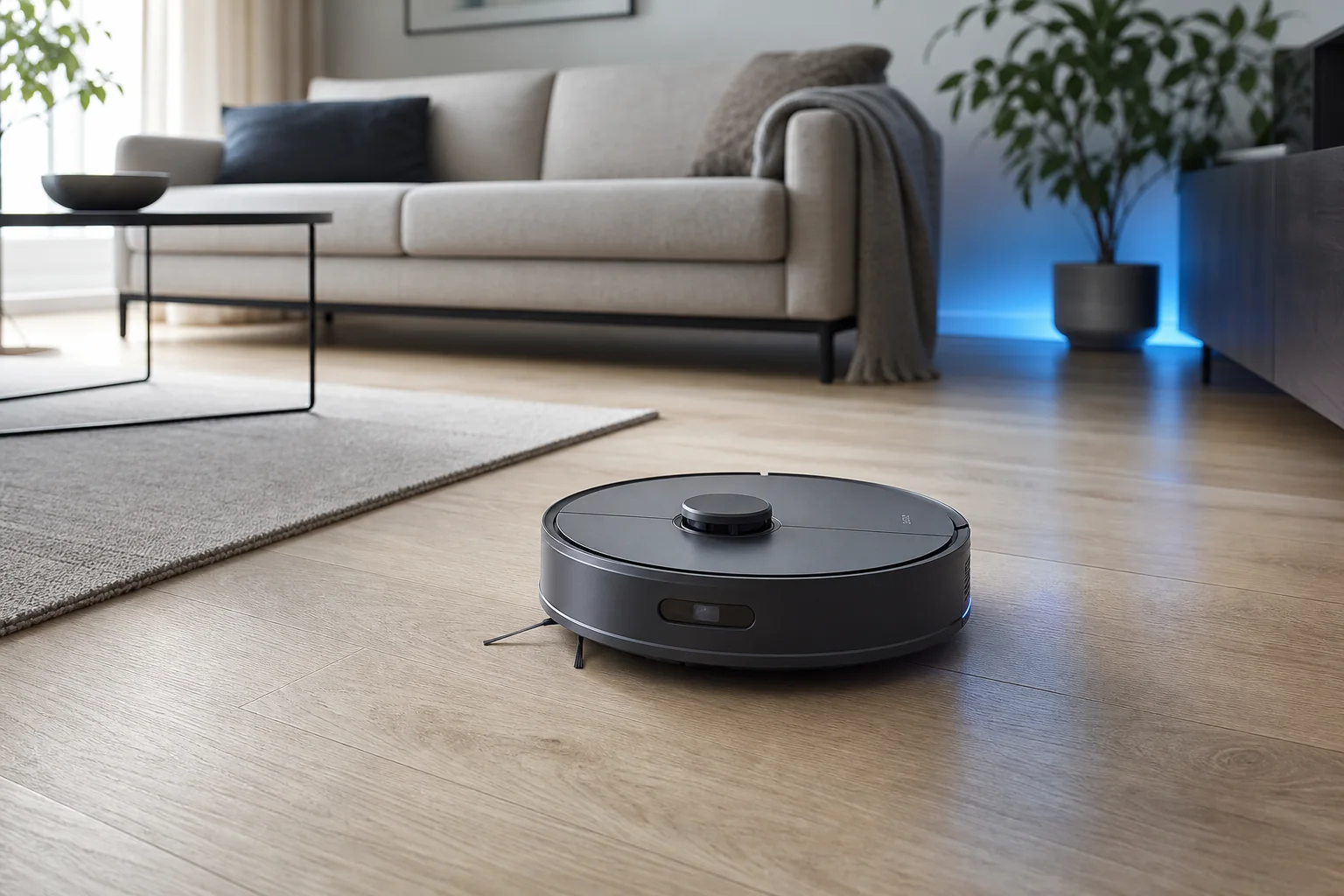
Read guideNavigation, floor layout, maintenance access, and obstacle handling usually shape daily satisfaction more than a single suction claim.
Read guideRead with purpose
The fastest path is not to read every article. It is to identify the constraint most likely to make the purchase fail in your own setup.
Each guide opens with a plain recommendation and three decision points. If the scenario clearly does not match your needs, move to a related guide rather than forcing the product category to fit.
Chargers depend on device profiles and cables. Doorbells depend on wiring, Wi-Fi, and permissions. Robot vacuums depend on floors, thresholds, and clutter. The surrounding system often decides value.
Standards, manuals, and support policies can establish compatibility or documented behavior. Comfort, tolerance for maintenance, and acceptable size remain personal. Our tech reviews label that boundary.
Product families change. Confirm the current SKU, regional plug, included cable, warranty, subscription, and seller before buying. A category guide narrows the decision; current product documentation closes it.
Our scope
TechWorth Guide covers power and charging, smart-home equipment, and personal technology because these fields share a common problem: the box can look simple while compatibility is not. Our buying guides focus on the questions that remain after marketing copy—port allocation, wiring, network reach, battery routine, privacy, cleaning, consumables, and safe use.
We update a guide when a source, standard, or product category changes enough to alter the decision. The date at the top of every article shows the current editorial review point. If you find a factual issue or a primary source we should consider, contact the editorial team. Clear corrections are part of trustworthy tech reviews, not an admission that a publication should have pretended to be perfect.
Our tech reviews start with categories where a small compatibility detail can change the entire outcome. Charging equipment depends on protocols, port allocation, and cable ratings. Smart-home devices depend on power, wireless reach, permissions, and subscription choices. Personal technology depends on fit, routine, maintenance, and the environments in which it will actually be used. This scope lets each guide explain the system around a product instead of turning a specification sheet into a recommendation.
We also choose subjects that can be answered responsibly with public evidence. Official manuals, support pages, standards bodies, safety guidance, and clearly disclosed editorial reasoning form the research base. Our tech reviews do not borrow laboratory language when no laboratory work took place. If a future article includes hands-on testing, it will state the devices, method, conditions, and limits so readers can understand what the result does—and does not—prove.
A useful buying guide should still work when a retailer changes a price or replaces a listing. For that reason, our tech reviews emphasize durable questions: which device profile must be supported, what installation is required, what recurring maintenance is acceptable, and which current terms need a final check before ordering. Retailer links are provided only as a convenient next step and do not replace verification of the exact model, seller, included accessories, regional compatibility, warranty, or return policy.